

e-commerce 3PL in Germany
Two warehouse locations in DE:
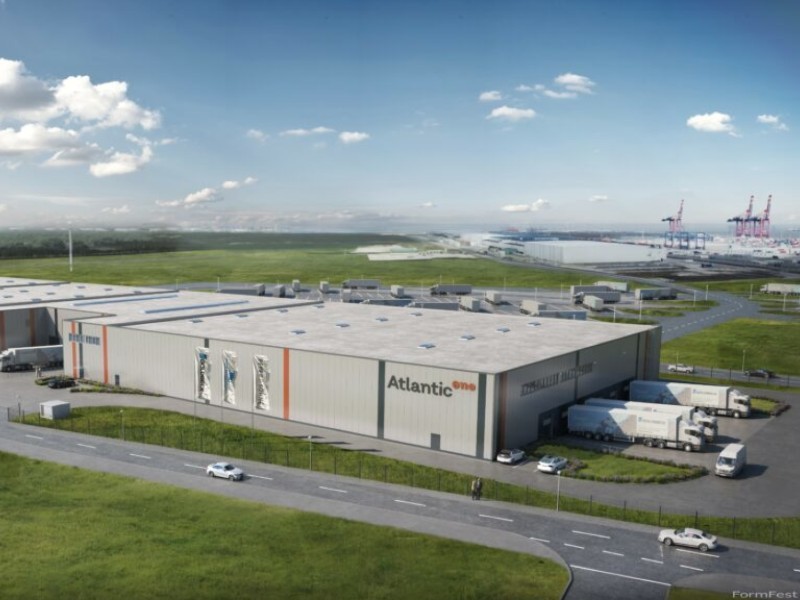
+ WIL1 at the sea container terminal Wilhelmshaven, DEWVN (aka 'Hamburg West')
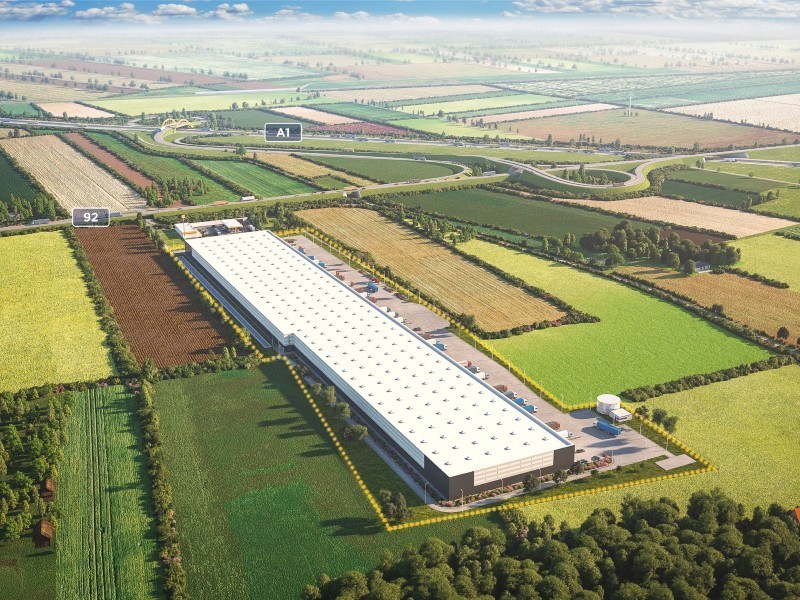
+ MAG2 by Magdeburg, in the center of Germany, on A2 highway between Dortmund and Berlin
FLEX. is an e-commerce logistics company who specialize in processing shipments to Amazon FBA:
pre-Amazon storage, FBA prep and forwarding to fulfillment centers
in Germany, Poland, France, Italy, Spain, Czech Republic and the United Kingdom.
Customs clearance and processing removals orders available.

PRE-AMAZON STORAGE
Stop worring about your storage limits at Amazon fulfillment centers. FLEX offers pre-Amazon storage in A class warehouses in Poland and Germany (and more locations are coming soon). We can receive your sea containers or pallets, put them into storage and replenish your inventory levels in Amazon fulfillment centers based on your needs and available FBA limits. We offer competitive storage rates (and no long term storage fees!), fast turn-around on processing your cargo to FBA and hassle-free forwarding to Amazon FBA.

FORWARDING TO AMAZON FULFILLMENT CENTER
Your freight forwarder doesn't know a thing about Amazon requirements? Your pallets get refused by Amazon by not-complying with inbound shipment rules? Your supplier has shipped over-weighted or over-sized boxes to FBA? We will get you covered! We are shipping thousands of boxes to Amazon FBA monthly, we work with the largest trucking companies in the EU on palletized shipments (LTL) to FBA and Amazon Freight directly on full truck loads (FTL) to fulfillment centers in Germany, France, Italy, Spain, Poland, Czech Republic, the United Kingdom and more.
PROCESSING AMAZON RETURNS AND REMOVAL ORDERS
FLEX. will help you avoid long term storage fees at Amazon fulfillment centers. We can receive your Amazon returns and removal orders, provide test & check, relabelling, reboxing and ship them back to FBA, or simply palletize them and send them back to your place anywhere in the world.
CUSTOMS CLEARANCE IN GERMANY
We have selected a group of independent and experienced customs agents in Germany and Poland, who understand your needs and e-commerce specifics when it comes to importing into the EU from China, India, USA, UK... you name it! Importer of record, Indirect Representation, import duties, taxes, clearance charges - they will handle it all for you!
FBA PREP
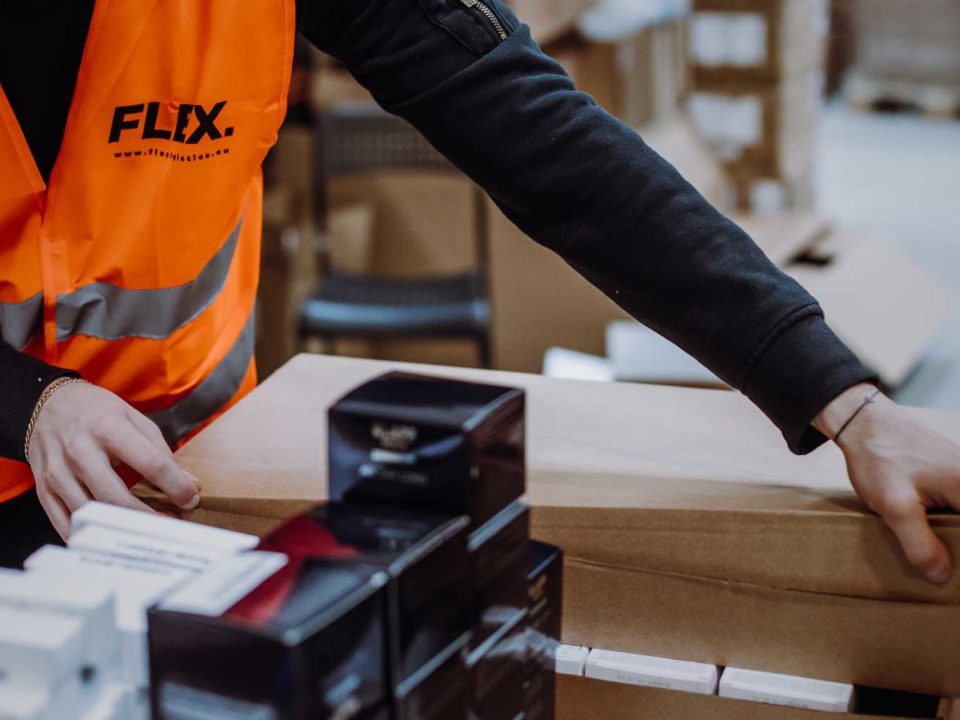
We can receive your products in sea containers, on pallets or as courier boxes and prep them for FBA. We know Amazon FBA prep requirements inside out. Labelling (FNSKUs), polybagging, bundling, kitting - we offer low minimums and attractive rates when working on individual units for FBA.
OUR MISSION
To provide an A-to-Z
e-commerce logistics solution that would complete Amazon fulfillment network in the European Union.

SAY HELLO TO
AMAZON
SPN PARTNER
FLEX. is an official logistics partner of Amazon Service Provider Network (SPN) for FBA preparation and pre-Amazon storage in the EU. Our qualified team of logistics professionals can help your business grow and benefit from Amazon fulfillment network in the European Union.
MEET OUR BRANDS
From import customs clearance to processing Amazon removal orders. From FBA prep to shipping FTLs with up to 33 pallets to Amazon fulfillment centers in Europe. We got you covered with your e-commerce logistics needs!



We can provide you with: pre-Amazon storage, FBA prep, forwarding to Amazon Fulfillment Centers, processing Amazon returns and removal orders, customs clearance.
We only partner with contractors (trucking companies, customs agents, courier companies etc) who deliver solutions rather than cause problems and delays in deliering your cargo to Amazon fulfillment centers in the EU.
DELIVERING SOLUTIONS
We understand that time is money and we value our clients' time over everything else.
PARTNER IN E-COMMERCE
If you want to expand your e-commerce operations in the EU, FLEX. is a logistics partner you are looking for!
We work with clients from all around the world - from single box shipments to 40ft HQ containers full of few thousand boxes with high demand products from factories in China.
Our warehouses in the EU are strategically and conveniently located: next to highways, sea ports or rail cargo terminals, to make sure your goods are received, stored, processed and forwarded to Amazon fulfillment centers in the European Union in the most cost efficient and fastest way.
With warehouses in Poland and Germany (and more locations coming) we provide a comprehensive logistic solution for businesses who sell online on Amazon, Cdiscount, eBay, Otto, Bol (and several other e-commerce maketplaces) in the EU or plan to enter the third e-commerce market in the world.
LOCATION IS A KEY
IN E-COMMERCE LOGISTICS
We understand that time is money and we value our clients' time over everything else.
E-COMMERCE LOGISTICS
We carefully choose our warehouse locations close to sea and rail container terminals, cargo airports and highways, to make sure we are able to receive your shipments without delays and forward it to Amazon fulfillment centers in a cost efficient way.
FLEX. first warehouse in Germany in located in Wilhelmshaven, next to EUROGATE Container Terminal Wilhelmshaven, DEWVN (alias „Hamburg West“) and near the largest container terminals in Europe: EUROGATE Container Terminal Hamburg, HHLA Container Terminal Altenwerder, HHLA Container Terminal Burchardkai (CTB) and HHLA Container Terminal Tollerort which allows us to receive and process your containers without extra costs for trucking them inland somewhere in Germany or abroad.
A secord warehouse location in Germany in planned in the Dortmund area – close to the rail cargo terminals with daily connection from China but also near the largest Amazon warehouses in the EU located in Dortmund – DTM1, DTM2 & DTM3 which act as cross-docking warehouses for most of the shipments destined for the German market.
FLEX. is an e-commerce logitics provider – we offer e-tailers a full service logistics experience when it comes to selling on e-commerce marketplaces in the European Union: Amazon, Cdiscount, BOL, Otto, Rakuten and several others. We got to know e-commerce inside out when providing the largest global brands and small e-commerce businesses with pre-Amazon storage, FBA prep, forwarding to Amazon fulfillment centers in Europe, processing Amazon returns and removal orders, customs clearance and more.